



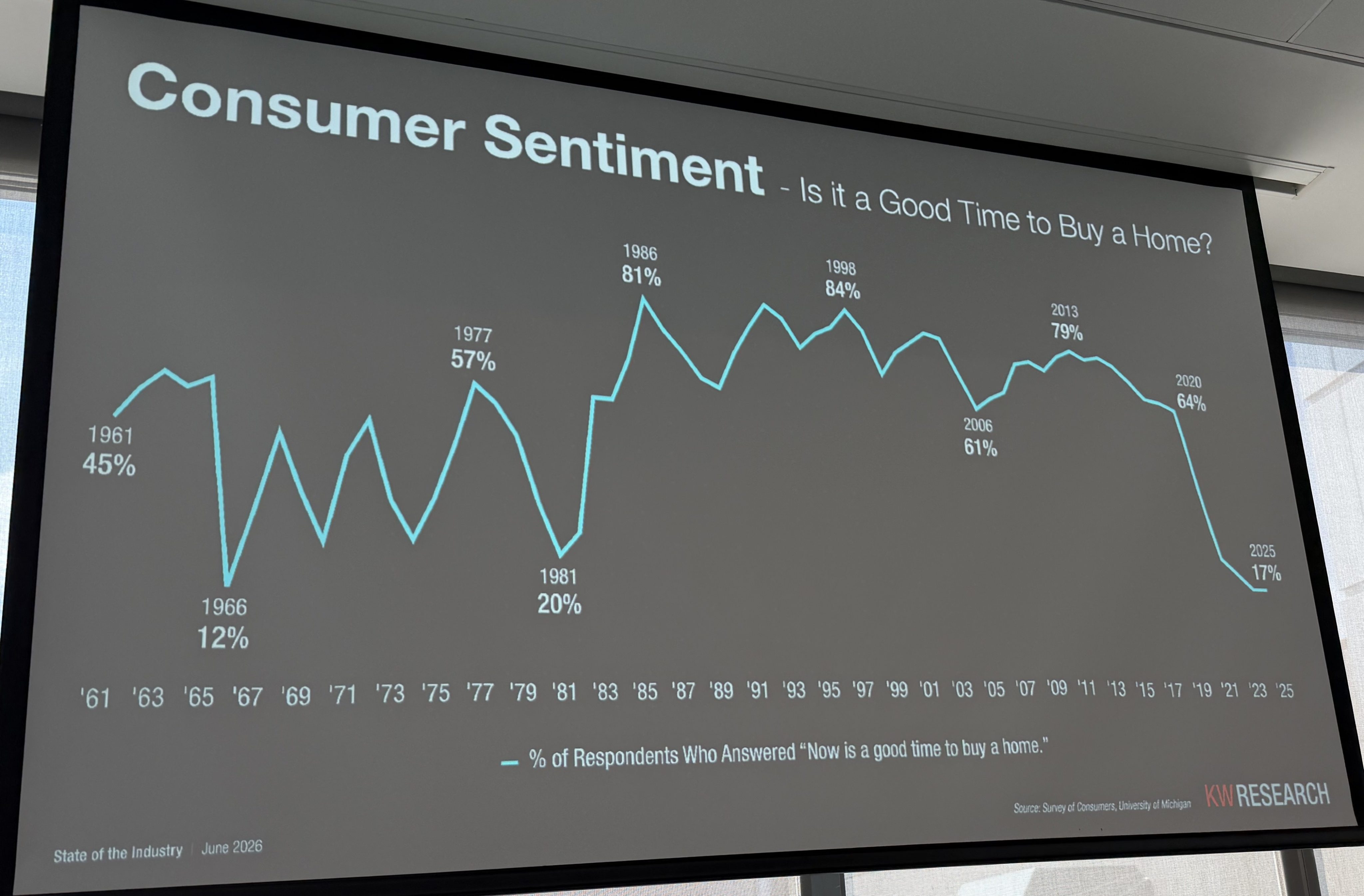
You have probably heard some version of this advice over the last few years:
“Wait until interest rates come down.”
“Wait until home prices drop.”
“Wait until the market becomes more affordable.”
But here in Northeast Tennessee, the market has not followed that script.
According to a recent report from local real estate analyst Don Fenley, Tri-Cities home sales increased 8.4% during the first half of 2026 compared to the same period in 2025. More importantly, nearly all of that growth happened above $160,000.
The market is not moving backward.
It is climbing the price ladder.
For many buyers, waiting has already cost them money. The homes they could have purchased a year or two ago may now be more expensive, and some of the most affordable options are becoming harder to find.
But that does not automatically mean you should buy right now.
In fact, depending on your current home, your equity and the type of move you are trying to make, this may actually be a bad time for you to buy.
The Market Is Moving Toward the Middle and the Top
Homes priced between $160,000 and $299,999 still represent the largest portion of Tri-Cities home sales. Approximately four out of every 10 closings happen within this range.
However, this portion of the market is growing more slowly than the price ranges above it.
During the first half of 2026:
Sales between $160,000 and $299,999 increased from 1,582 to 1,683.
Sales between $300,000 and $499,999 increased from 1,210 to 1,395.
Sales of $500,000 or more increased from 467 to 529.
The $400,000 to $499,999 category increased from 372 sales to 507.
That last category is especially important.
The $400,000 to $499,999 range grew by more than 36%, making it one of the fastest-growing portions of the local housing market.
This tells us that move-up buyers are active. Many of them purchased several years ago, built significant equity and can now use that equity to make a larger down payment on their next home.
Those buyers may be able to absorb today’s higher prices and payments.
But not every homeowner is in that position.
When It May Be a Bad Time to Buy
Imagine that you own a home worth less than $300,000.
You purchased recently, made a small down payment or have not accumulated much equity. You would like to sell and purchase something in the $350,000 to $500,000 range.
That is where the math can become difficult.
After paying off your current mortgage and accounting for the expenses associated with selling and moving, you may not have enough remaining equity to make a substantial down payment on the next home.
You may then be moving from:
A lower mortgage balance to a much larger one
A low interest rate to a higher interest rate
A smaller monthly payment to a significantly larger payment
A more affordable price range into the fastest-growing segment of our market
That does not necessarily make the move impossible.
But it could make the move financially uncomfortable—or simply not worth it right now.
This is especially true when your current home still works for your family and the move is based more on finishes, extra space or lifestyle preferences than an immediate need.
The Affordable End Is Getting Tighter
The only two price categories that declined during the first half of 2026 were homes priced below $160,000.
That does not mean buyers suddenly stopped wanting affordable homes. It means fewer homes are available at those prices. As property values increase, homes that once sold below $160,000 are moving into higher price brackets.
That creates two different problems.
First-time buyers are competing for a shrinking number of affordable homes.
At the same time, homeowners trying to move up are discovering that the gap between their current home and their desired home is becoming larger.
Waiting may allow you to build additional equity and save more money.
But waiting also carries a risk: the next home may continue moving further up the price ladder.
Waiting Has Cost Buyers Money
This is the difficult truth.
People who have been waiting for prices to collapse have generally watched home prices and payments move in the opposite direction.
The Tri-Cities market grew during the first half of 2026, with the strongest momentum occurring between $300,000 and $499,999. Meanwhile, the most affordable portion of the market continued to shrink as homes migrated into higher price ranges.
Waiting has cost many buyers money.
They may now need a larger down payment, accept a higher monthly payment or compromise on the type of home they can purchase.
But recognizing the cost of waiting does not mean you should panic and purchase something that does not fit your financial situation.
A rushed decision can cost more than waiting ever did.
You Need a Plan, Not a Prediction
The question is not simply:
“Is now a good time to buy?”
The better questions are:
How much equity do you actually have?
What would you walk away with after selling?
What would your new payment look like?
Would the next home significantly improve your life?
Can you comfortably afford the move without relying on rates dropping later?
And what happens if home prices continue climbing?
Those questions cannot be answered by a national headline or a blanket statement about the housing market.
They require a conversation about your specific home, finances and goals.
Let’s Find Out Whether You Should Buy—or Wait
Waiting has already cost many buyers money.
But buying before you have enough equity, enough savings or enough clarity could cost you even more.
If you own a home valued below $300,000 and have minimal equity, this may genuinely be a bad time for you to make a move. On the other hand, you may have more equity and more options than you realize.
Before you spend another six months waiting—or begin looking at homes that do not fit your financial reality—let’s run the numbers.
I will help you estimate your current equity, understand what you could realistically afford and create a plan for buying now or preparing for the right opportunity later.
Reach out today to schedule a no-pressure move-up consultation. You may discover that you are ready to move—or that the smartest decision is to stay exactly where you are for a little longer.
Market data referenced from Don Fenley’s July 18, 2026 report, “Tri-Cities Housing Market Is Climbing the Price Ladder.”
Check out this article next